Mechanical vs Quartz Watches: Which Should You Buy in 2026?
Walk into any watch forum and ask whether to buy mechanical or quartz, and you’ll start a fight. Here’s the answer nobody wants to give: they’re not competing for the same job. One is a machine you maintain and hand down; the other is an instrument that’s simply never wrong. This guide settles which belongs on your wrist, with UK and US prices for the watches that prove each case.
Mechanical vs quartz: the actual difference
A mechanical watch stores energy in a wound spring and releases it through a regulating balance wheel that beats several times a second, which is why the seconds hand glides. Expect accuracy of a few seconds a day at best. A quartz watch runs a battery through a vibrating quartz crystal at 32,768 times a second, ticks once per second, and drifts about 15 seconds a month. On pure performance, quartz wins and it isn’t close. Nobody buys mechanical for performance.
The case for mechanical
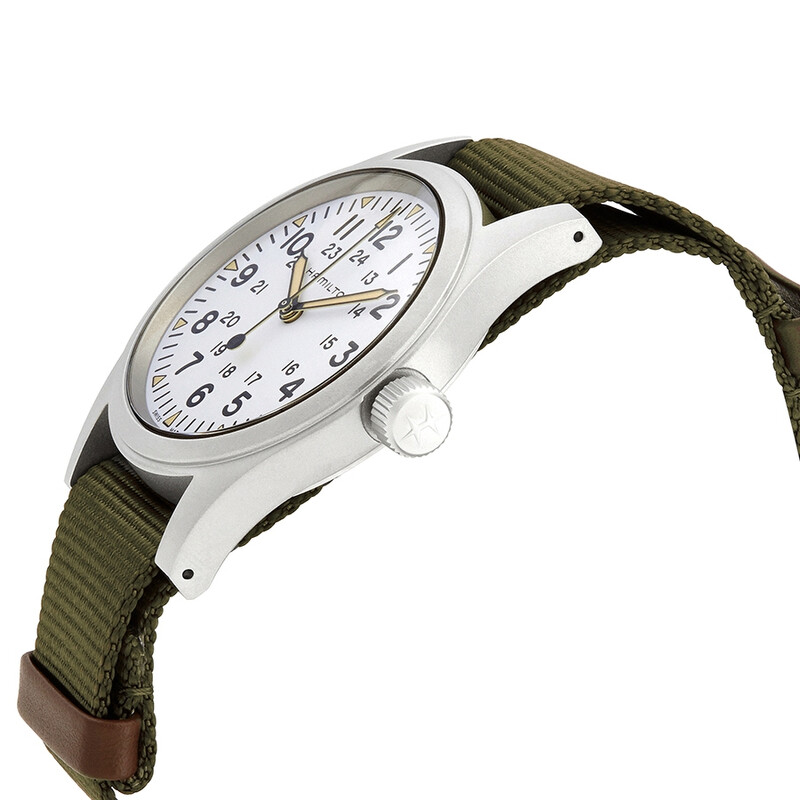
You’re buying a tiny engine with 200 parts and no electronics, serviceable for a century. The Hamilton Khaki Field Mechanical, about £495 in the UK or $595 in the US at hamiltonwatch.com, is the cleanest example of the appeal: you wind it each morning, and the ritual is the point. Mechanical watches also hold value in a way quartz rarely does; check the pre-owned market in our buying guides and you’ll see ten-year-old automatics still trading near their original price.
The case for quartz
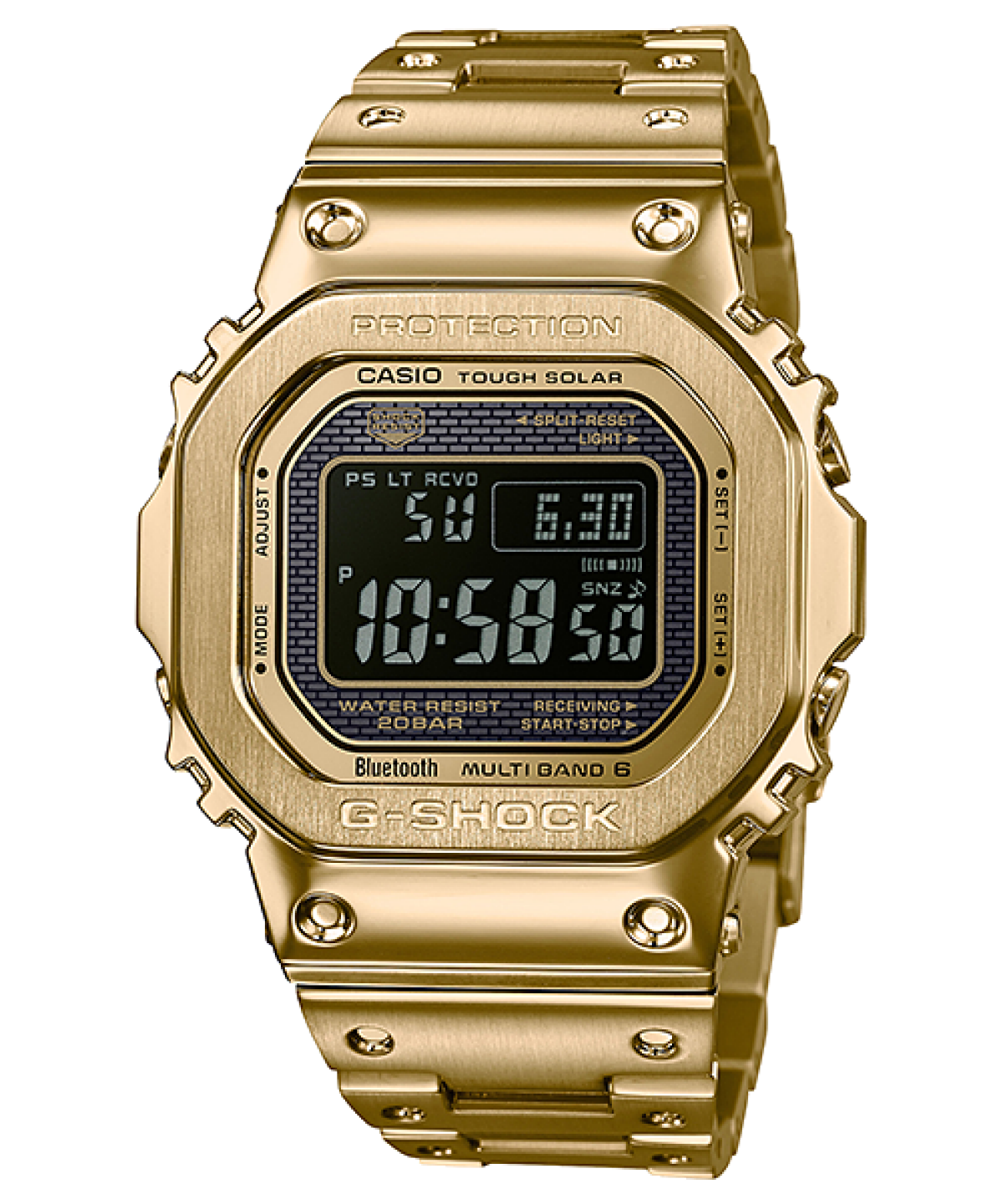
Set it once, wear it for years, never think about it. Modern quartz has also become genuinely desirable: the full-metal Casio G-Shock GMW-B5000, around £500 in the UK or $550 in the US at casio.com, syncs by radio and solar charges, so it’s accurate to the second forever and needs no battery changes. For travel, sport, or anyone who owns one watch and wants zero faff, quartz is the grown-up choice.
The middle path most people should take
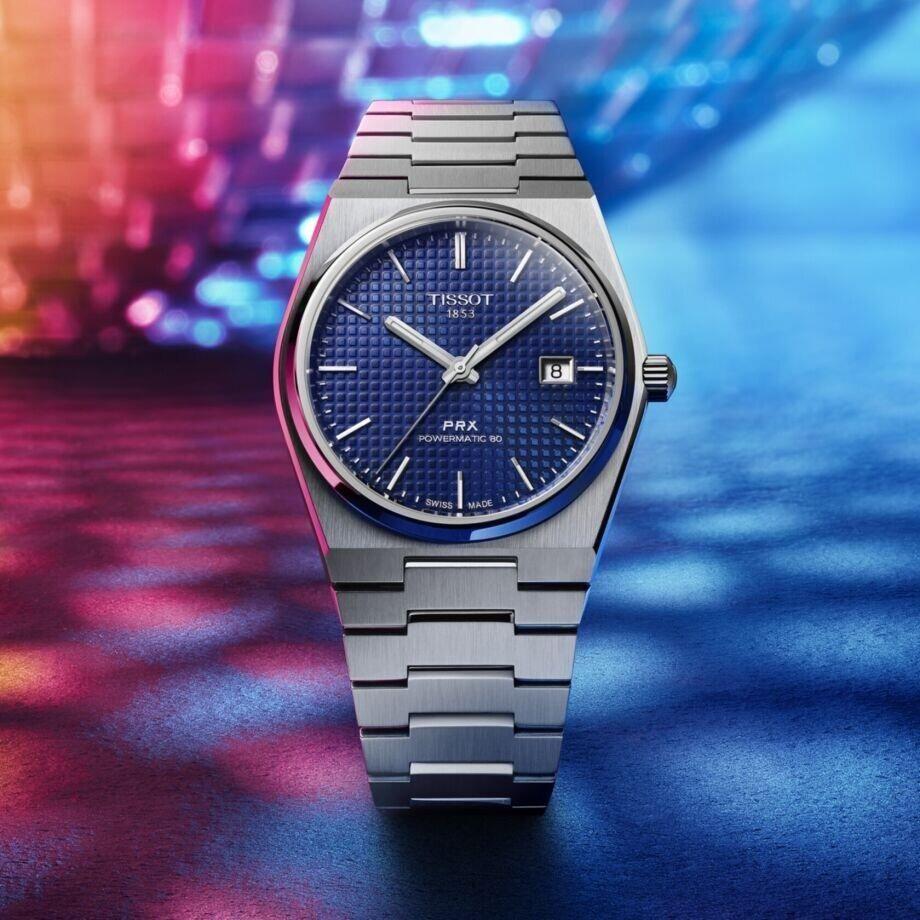
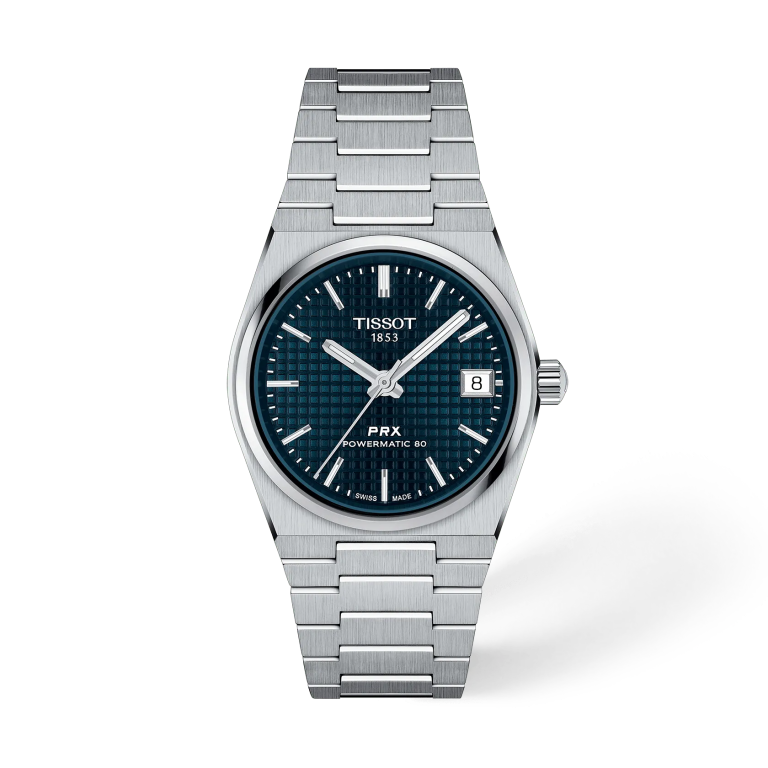
The Tissot PRX answers the question both ways: £375 or $425 buys the quartz, around £610 or $725 buys the Powermatic 80 automatic with an 80-hour reserve, both at tissotwatches.com. Start with whichever fits your budget, learn what you actually enjoy, then spend bigger money once you know. That’s the order of operations that avoids expensive regret.
Mechanical vs quartz: the verdict
Buy quartz if a watch is a tool. Buy mechanical if a watch is an object you want a relationship with. Buy the PRX if you honestly don’t know yet, because at this price you can afford to find out. And whatever you choose, buy from an authorised dealer and keep the paperwork; future-you will thank present-you at resale time.