Should You Use a Watch Winder? The Honest Answer.
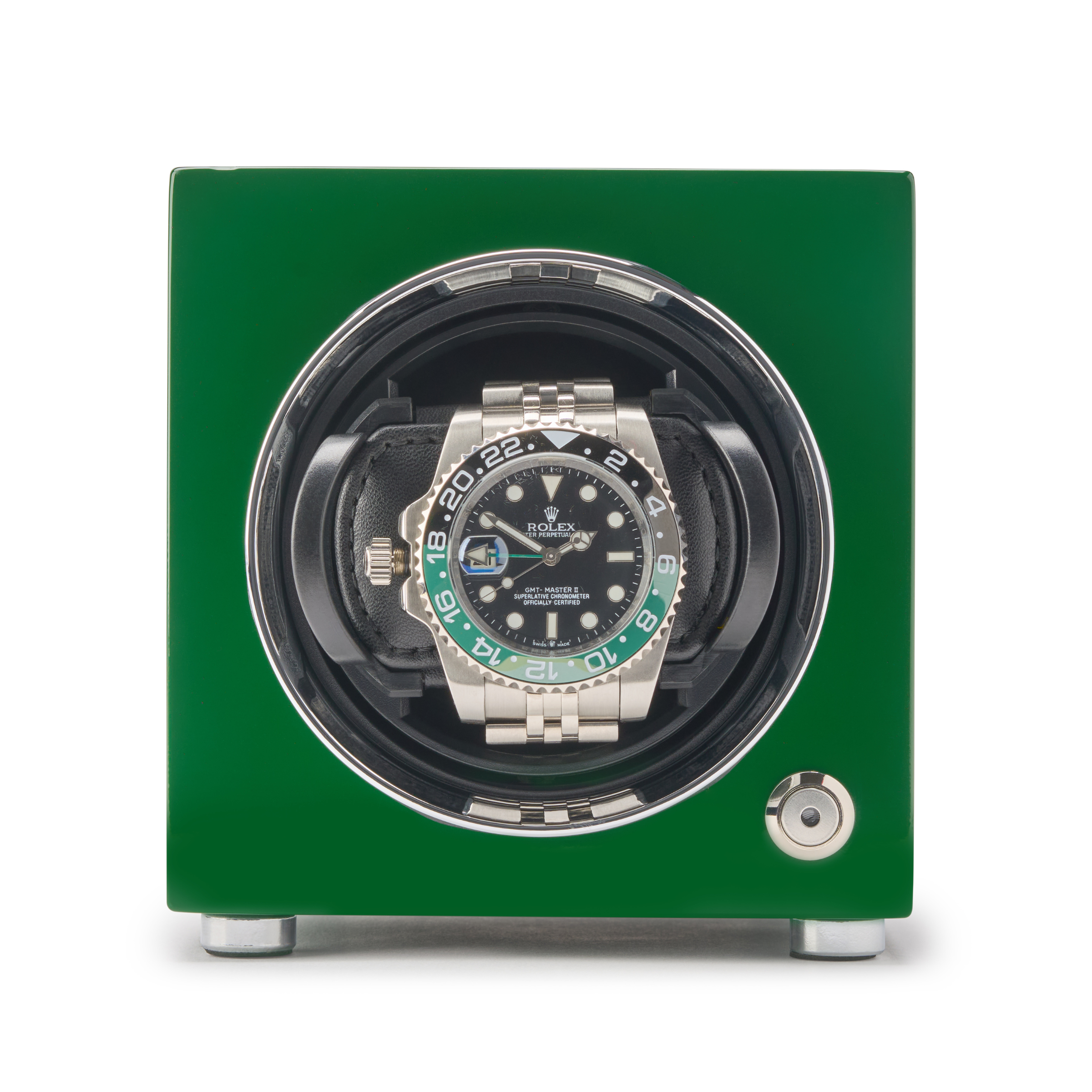
Watch forums have argued about this for twenty years, so let’s be the ones to say it plainly: most people don’t need a watch winder, and some people absolutely do. Which camp you’re in comes down to what’s on your wrist and how often you rotate it. Here’s the honest breakdown.
What a watch winder actually does
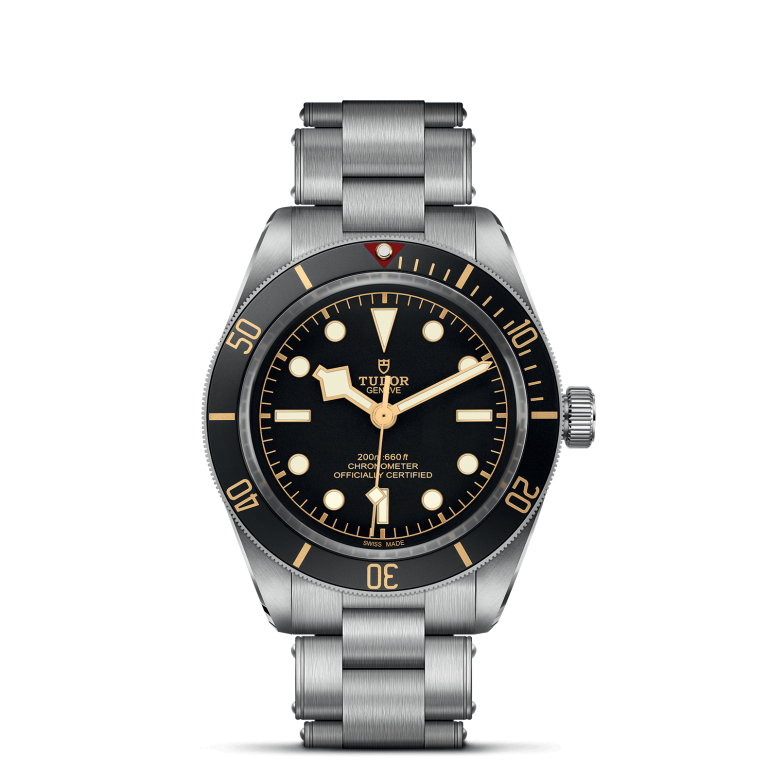
An automatic watch winds itself off your wrist movement and stores roughly two to three days of running time; modern calibres like Tudor’s MT5402 stretch to 70 hours, and Tissot’s Powermatic 80 to 80. Take the watch off for longer than its reserve and it stops. A winder simply rotates the watch a set number of turns per day, usually 650 to 950, so the mainspring stays topped up while it sits.
When you should use a watch winder
Complications are the whole argument. If your watch carries a perpetual calendar, annual calendar or moonphase, letting it stop means resetting tiny correctors in a precise sequence, and on some pieces a mistake mid-sequence is a service bill. Owners of those watches should consider a winder essential. The same logic applies, more gently, to any date watch you rotate weekly: resetting day, date and time every Monday gets old by February. If that’s you, our guide to the best watch winders from budget to luxury covers exactly what to buy at every price.
When you shouldn’t bother
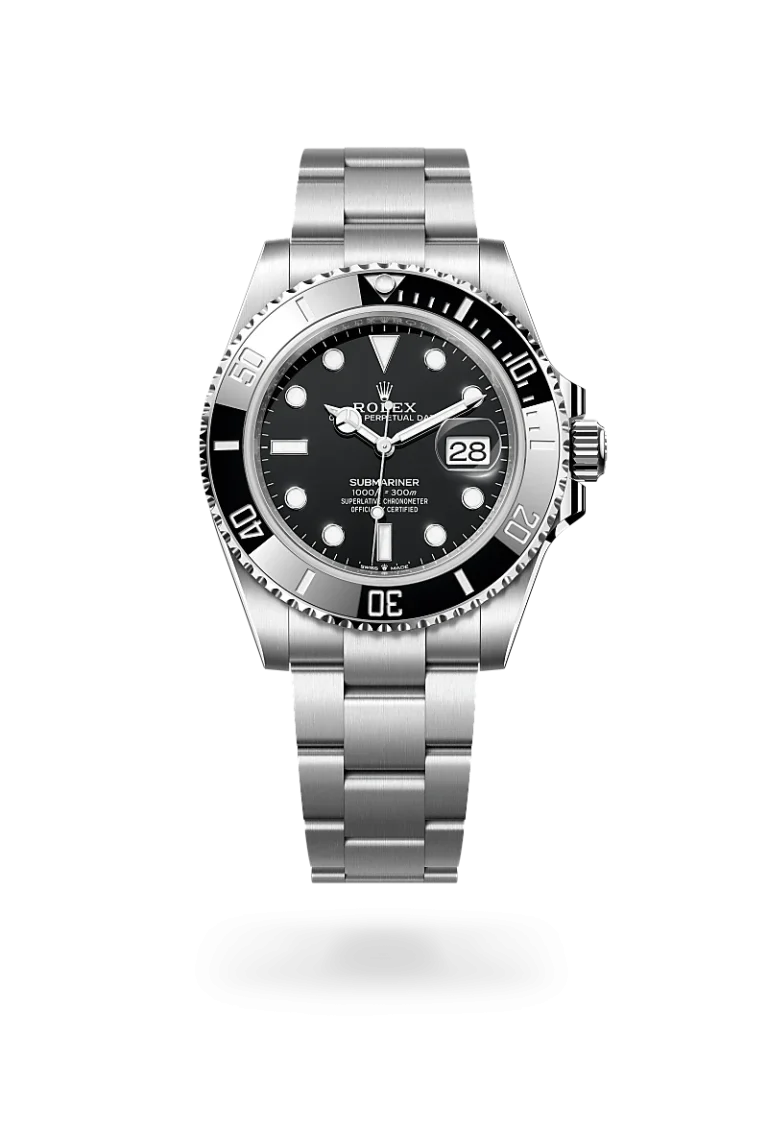
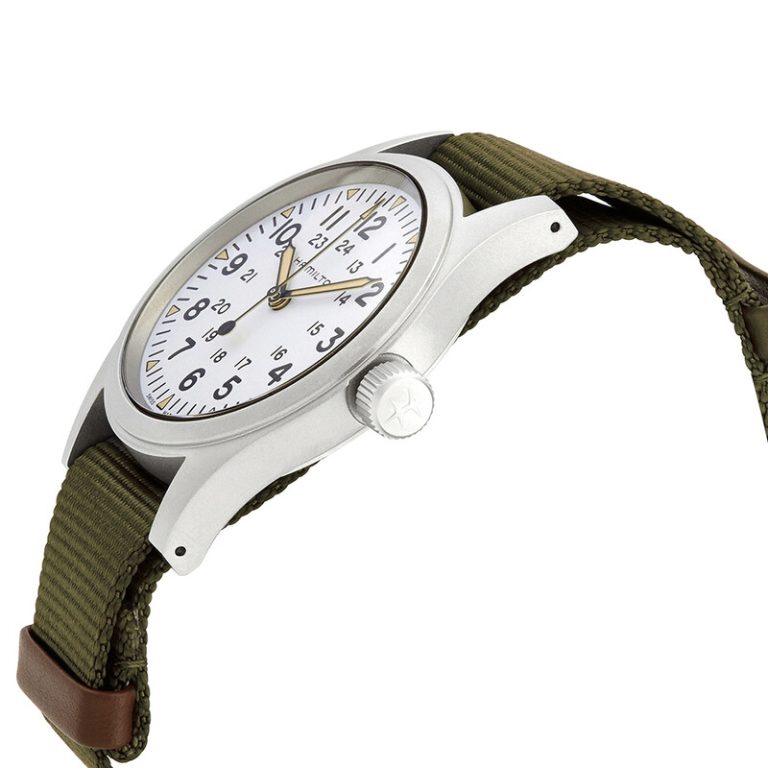
A simple three-hander with no date takes fifteen seconds to set from stopped. There is no mechanical harm in an automatic sitting still; the old fear that lubricants congeal in a stationary watch belongs to oils from the 1970s, not modern synthetics. Some watchmakers argue the opposite case instead: a watch on a winder runs constantly, accumulating wear between services for no benefit while you’re asleep and it’s not even being worn. For a no-date diver you wear most days, a winder is jewellery for your jewellery.
The middle ground most collectors land on
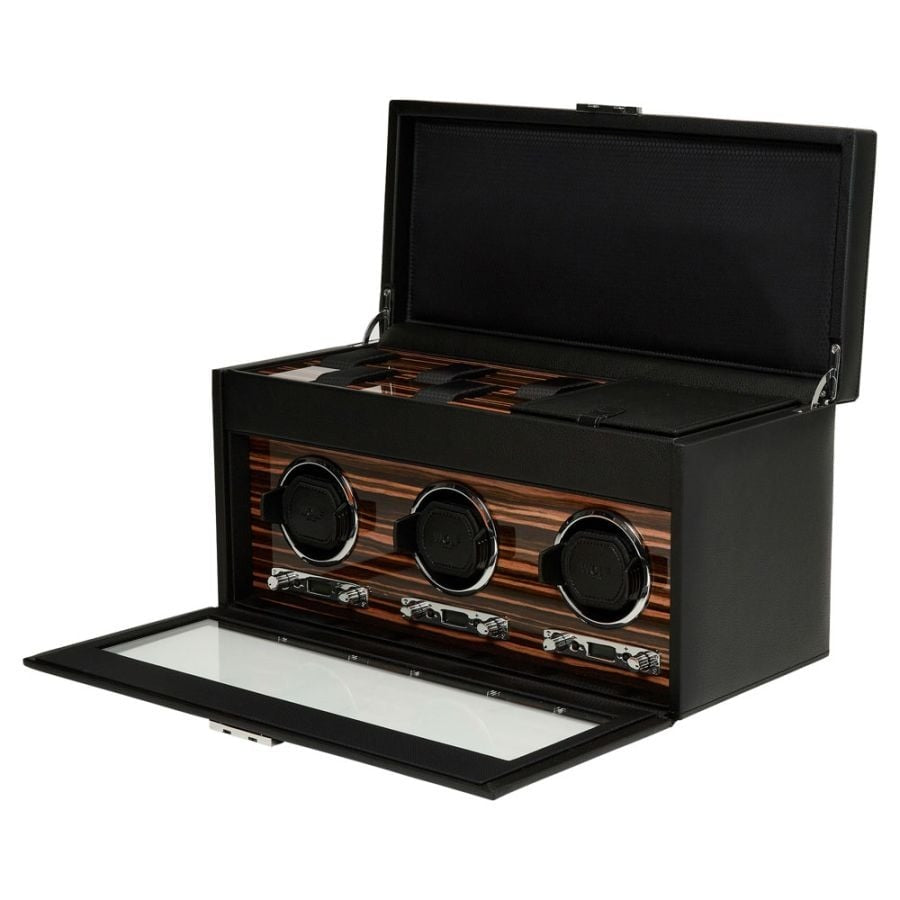
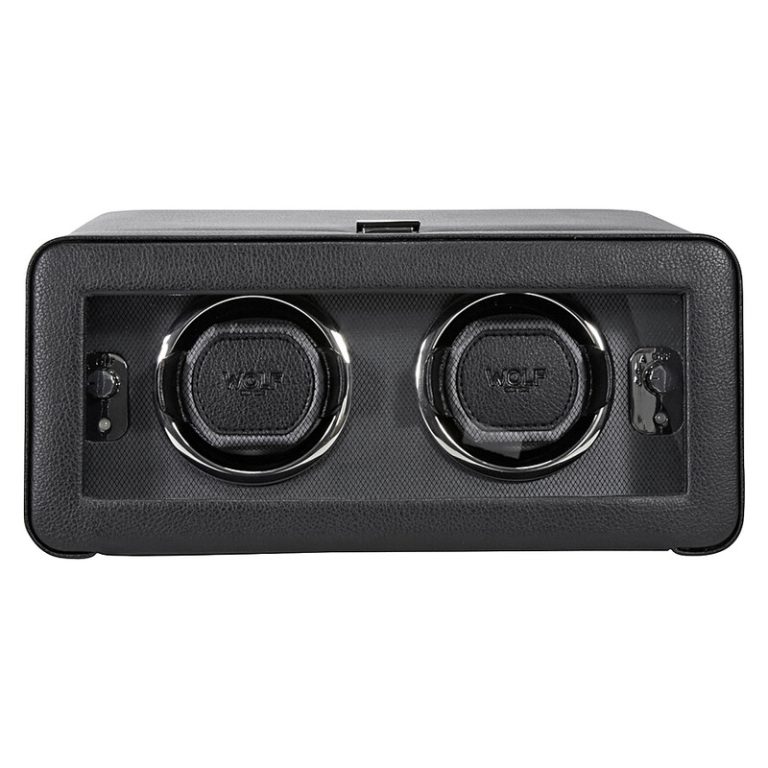
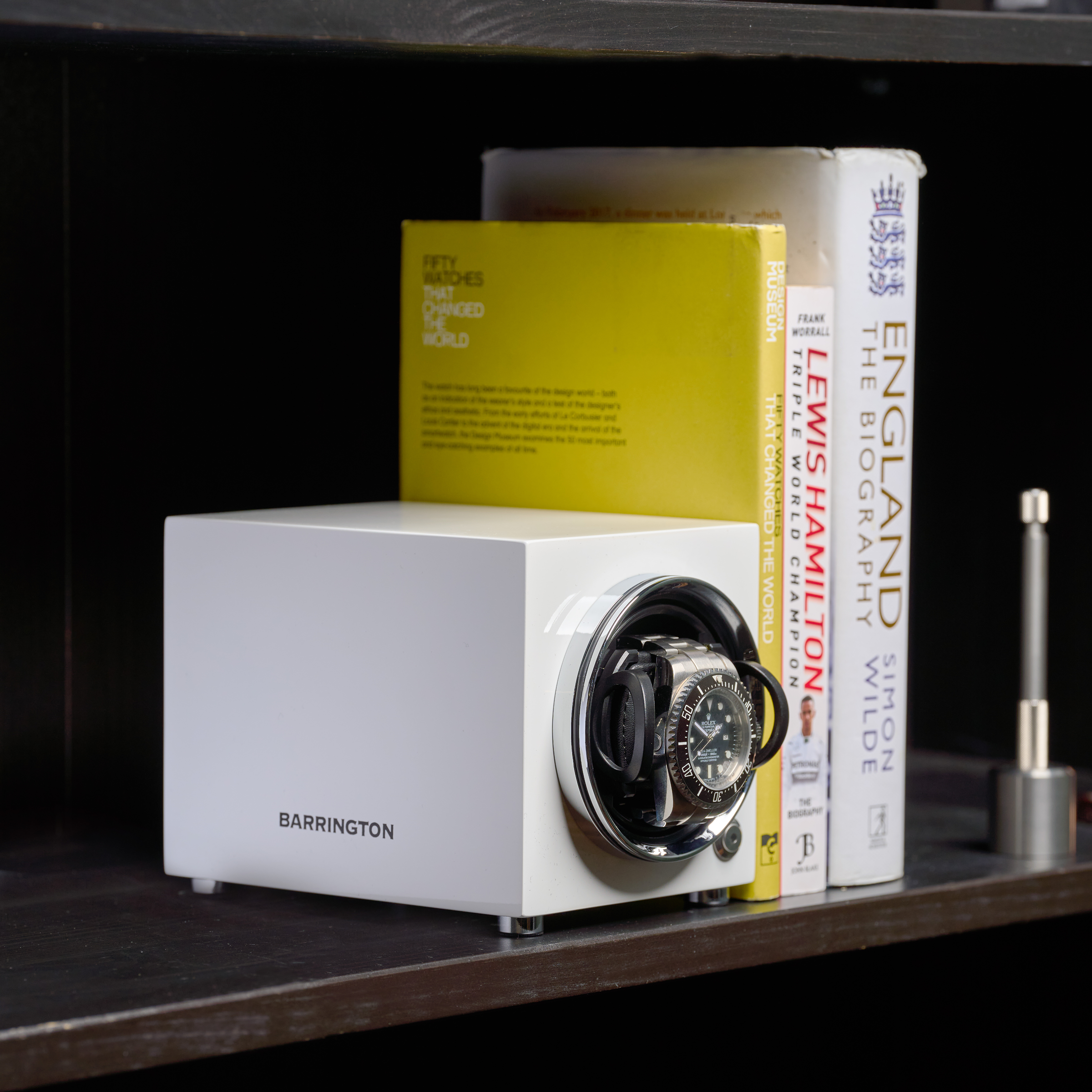
One winder for the complicated or favourite watch, everything else allowed to rest. That’s the pattern we see among collectors who’ve owned winders for years, and it’s why single winders like Barrington’s outsell the big cabinets. If you’re rotating two simple automatics, save the money and put it toward the next watch, starting with our buying guides.
The verdict
Perpetual calendar or annual calendar: yes, without hesitation. Date watch in a regular weekly rotation: yes, it’s a quality-of-life buy. Everything else: your money is better spent on the watches themselves. And if you do buy one, buy quiet, because the bedroom test defeats more winders than any spec sheet.